Lobby Navigation Patterns Across Providers for Regional Variants and Hybrid Show Formats
Wendy Otto · Oct 24, 2026
Lobby Navigation Patterns Across Providers for Regional Variants and Hybrid Show Formats
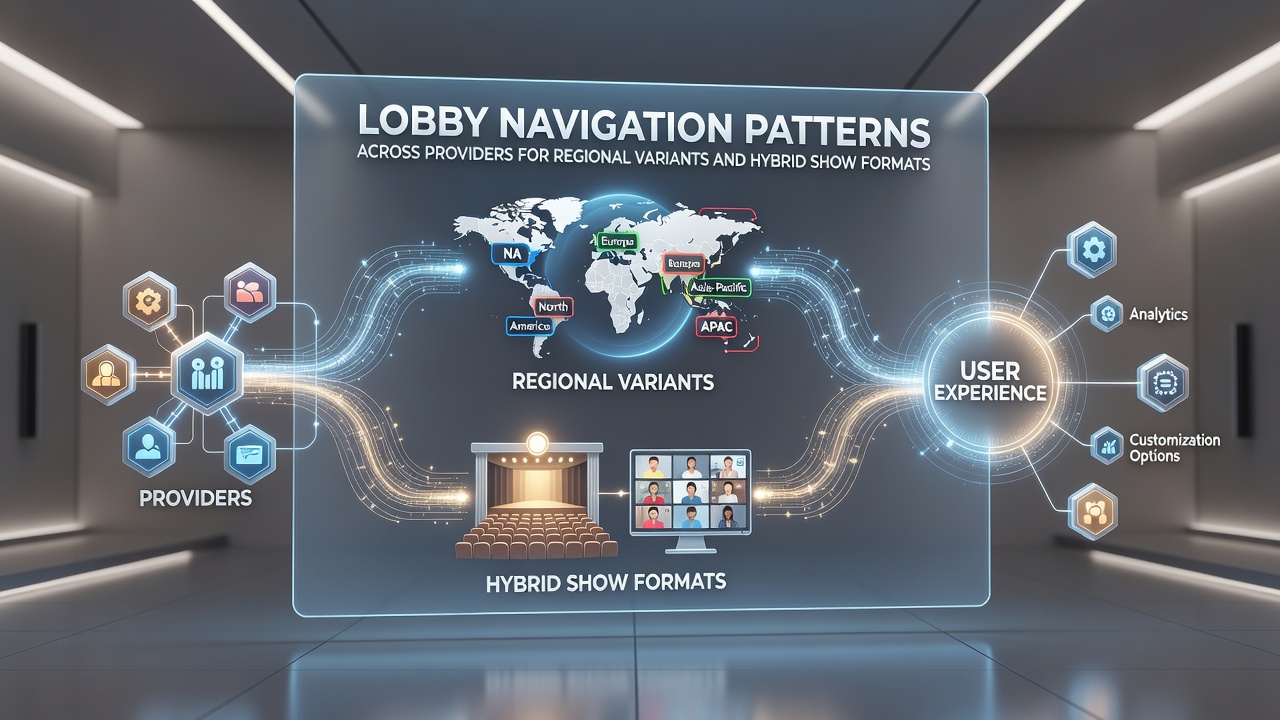
Live casino platforms organize their lobbies through distinct navigation systems that separate regional variants from standard tables while integrating hybrid show formats into accessible pathways, and observers note these structures have evolved considerably by October 2026 as providers respond to player location data and regulatory requirements in various jurisdictions.
Regional Variant Categorization Methods
Providers implement filters that group games such as Teen Patti and Andar Bahar under dedicated regional sections rather than mixing them with European or American variants, which allows users in specific markets to locate preferred titles quickly through menu trees that prioritize geographic origin and cultural familiarity. Data from regulatory filings shows this approach reduces search times in high-traffic periods, while platforms serving multiple continents often layer additional language-based tags that appear alongside the regional filters to accommodate diaspora communities playing from abroad.
One common pattern involves collapsible side panels that expand to reveal subcategories like South Asian card games or Latin American table adaptations, and these panels connect directly to live dealer availability indicators that update in real time based on studio staffing across time zones. Research from industry reports indicates providers using this layered system experience higher engagement rates with regional content compared to those that bury such titles in broad alphabetical lists.
Hybrid Show Format Integration
Hybrid formats that combine traditional table mechanics with game show elements receive prominent placement in central lobby carousels at many providers, where animated thumbnails highlight multiplier rounds or audience participation features that distinguish them from pure dealer tables. Navigation often routes these titles through a dedicated entertainment hub that sits between standard game categories and promotional banners, creating a visual bridge that guides players toward higher-volatility options without requiring separate logins or lobby switches.
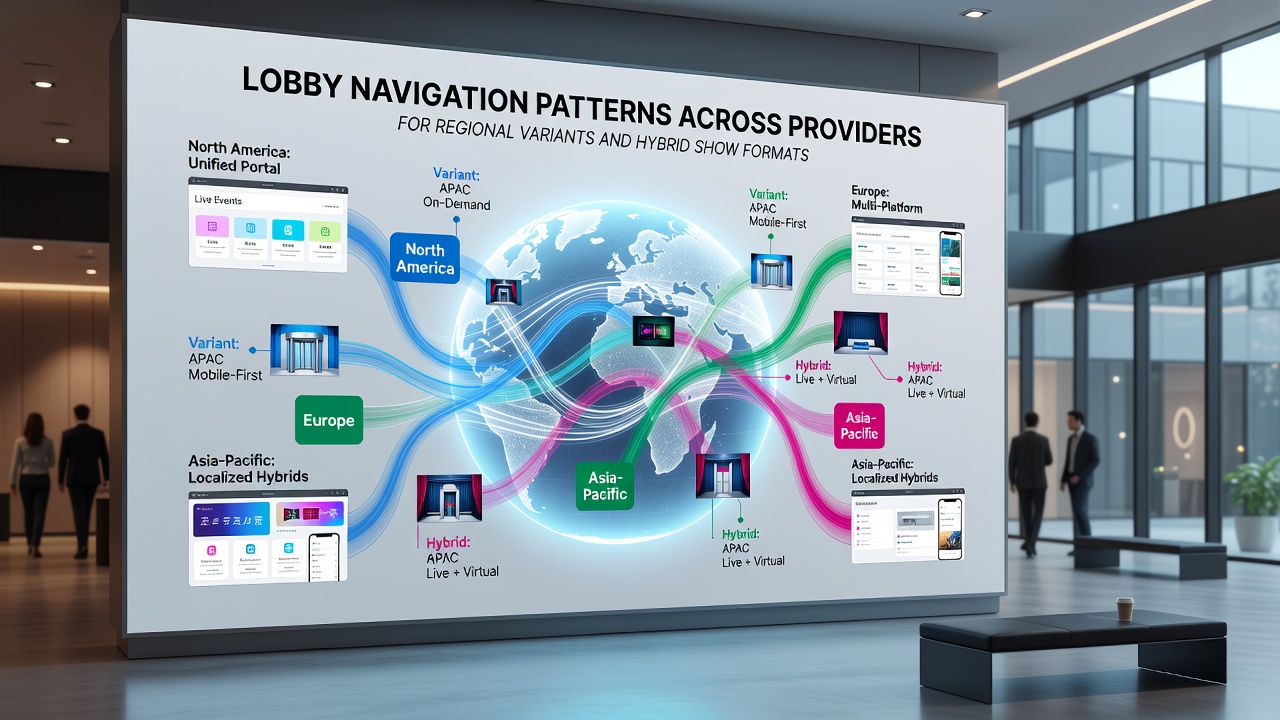
Studies from the Alcohol and Gaming Commission of Ontario reveal that platforms incorporating hybrid shows into the main discovery flow rather than isolating them in niche tabs report steadier session lengths, because players encounter these formats while browsing familiar regional variants. Additional controls allow sorting by broadcast schedule or host language, which proves useful in October 2026 as more studios add multilingual hosts to capture overlapping peak hours across continents.
Cross-Provider Differences in Search and Filtering
Some providers rely on predictive search bars that suggest regional variants and hybrid shows based on recent play history, whereas others present static grids organized by provider studio rather than game type, and this distinction affects how quickly new users discover content that blends cultural elements with entertainment formats. According to figures from the New Jersey Division of Gaming Enforcement, operators employing history-driven suggestions see increased trial of hybrid titles among players who previously stuck to regional card games alone.
Those who have examined multiple platforms observe that European-focused providers tend to emphasize compliance tags within the navigation, placing age verification prompts near hybrid show entries, while Asian-market platforms prioritize speed with one-tap filters that jump directly to live regional tables or scheduled hybrid events. Both approaches reflect adaptations to local licensing conditions rather than universal design choices.
Conclusion
Navigation patterns across providers continue to reflect a balance between regulatory demands, regional player preferences, and the growing presence of hybrid show formats that merge entertainment with traditional gameplay elements. As of October 2026, these systems demonstrate measurable differences in how effectively they surface variants tied to specific cultures alongside broader entertainment offerings, with data from multiple oversight bodies confirming that thoughtful lobby organization correlates with sustained player activity across diverse markets.